
What is
Fibrocartilaginous Embolism
(FCE)
If your dog suddenly loses the ability to walk or seems weak in one or more legs, it can be one of the most frightening moments a pet owner will ever experience.
One possible cause of this sudden paralysis is FCE in dogs, also known as Fibrocartilaginous Embolism or a spinal stroke in dogs.
While the term sounds complex and alarming, understanding what FCE is, what causes it, and what recovery may look like can help you make informed decisions and give your dog the best possible chance at healing.
At FCE talk, we’ll explain everything you need to know about Fibrocartilaginous Embolism (FCE) in dogs, including symptoms, diagnosis, treatment, and recovery.


Join Flynn (Chief FCE Officer) and
Clover (Emotional Support Dog)
as our boys share real-life stories and light-hearted moments on FCE talk ~ the dogcast
A snapshot of FCE / Spinal Stroke in dogs
🐾 What Is FCE in Dogs?
FCE is a sudden spinal cord injury caused by blocked blood flow. Though alarming, it’s usually not painful after onset and many dogs recover well, just like our very own Flynn.
🐕 Treatment & Rehab
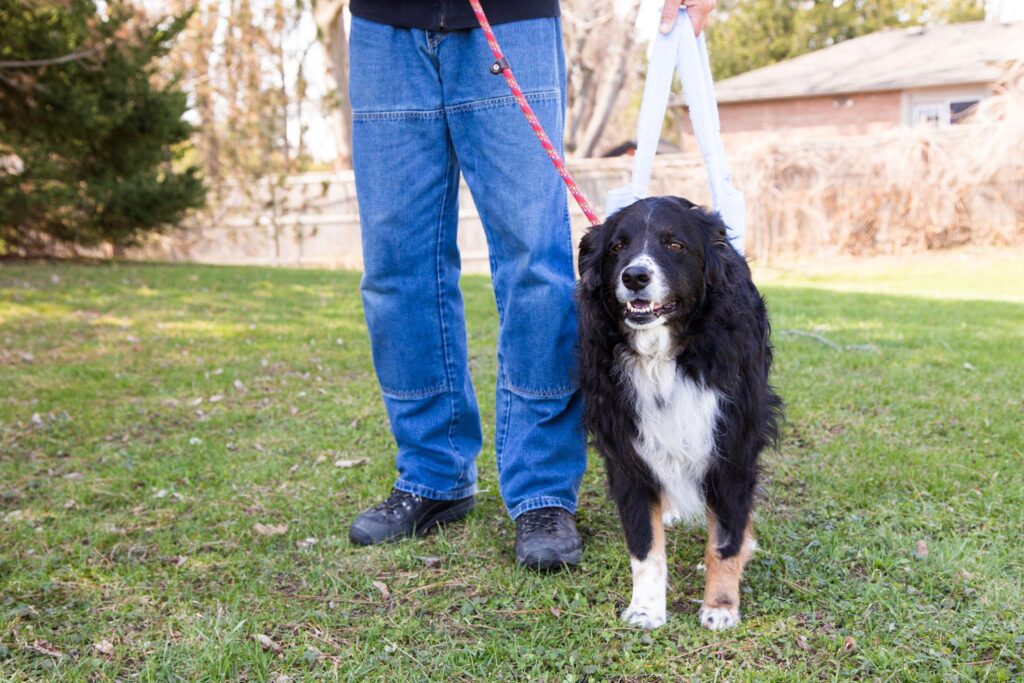
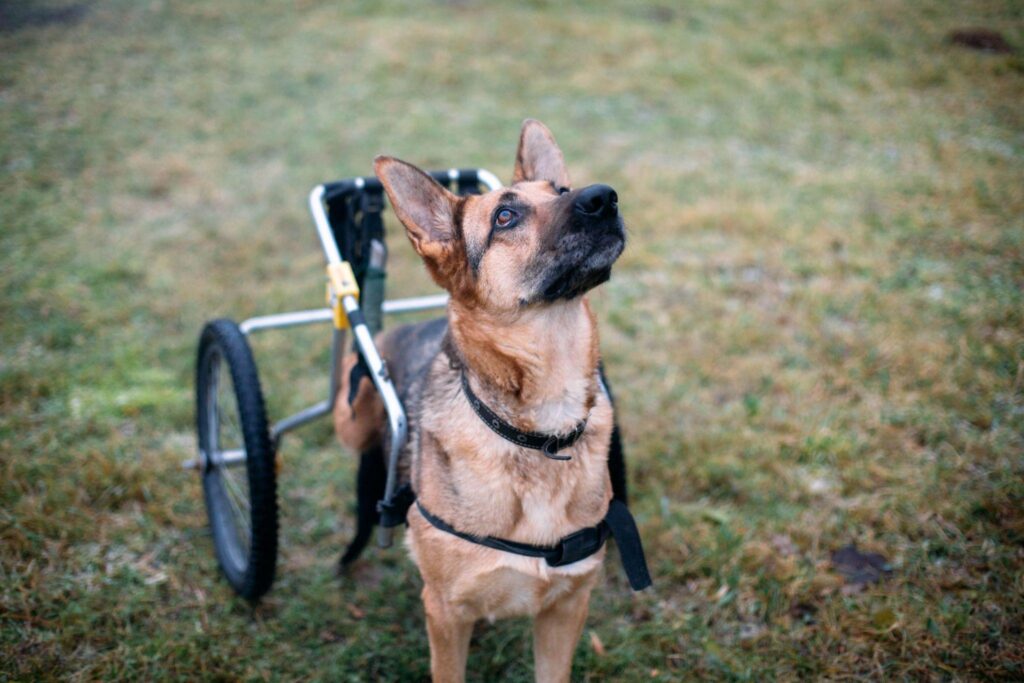
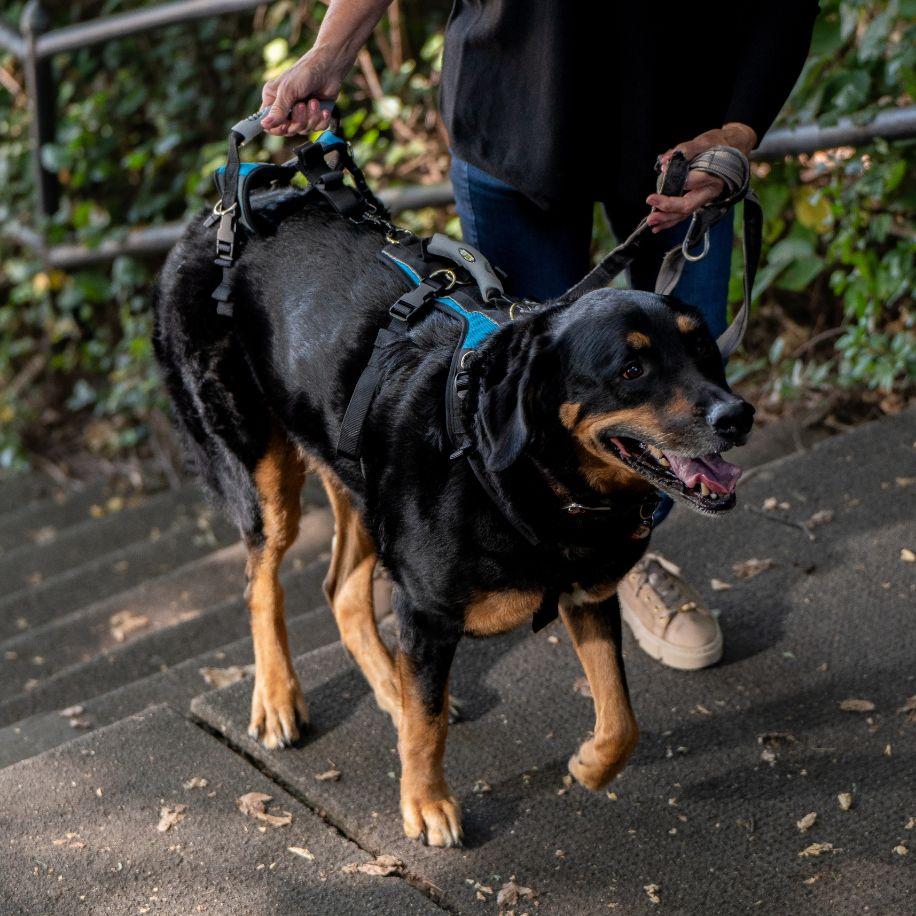
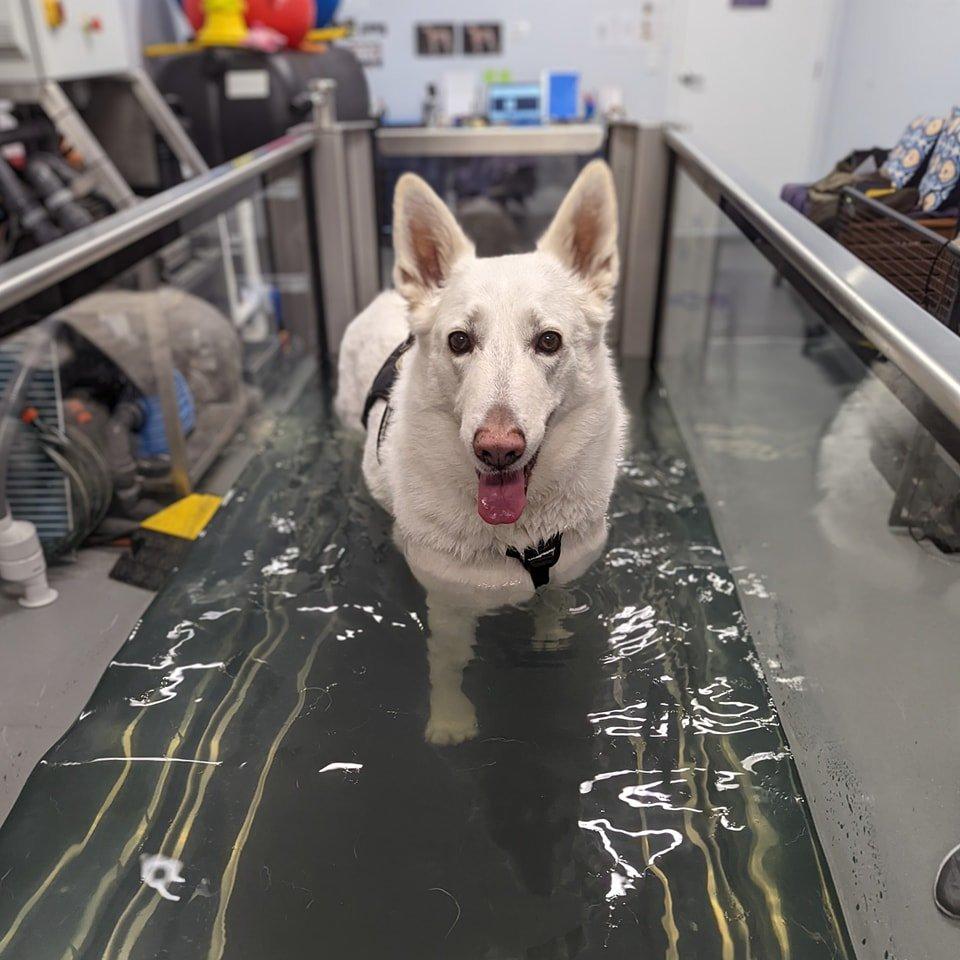
There’s no cure for FCE, but therapy helps recovery. Exercises, assisted walking, and hydrotherapy build strength, improve mobility, and support your dog’s rehabilitation journey.
⚡ Signs & Symptoms
Symptoms appear suddenly, including weakness, dragging legs, and loss of coordination. Signs often affect one side more than the other in dogs.
❤️ Caring for Dog at Home
Support recovery with bladder care, soft bedding, and good nutrition. Keeping your dog comfortable, clean, and calm encourages healing and reduces stress during recovery.
Comprehensive Resources for FCE
Become a member and discover more about
Fibrocartilaginous Embolism (FCE) / Spinal Stroke in Dogs



Heartwarming Stories of Recovery
❤️ 🐾 WE’D LOVE TO HEAR YOUR STRUGGLES AND TRIUMPHS🐾 ❤️