



What is
Fibrocartilaginous Embolism
(FCE)
If your dog or cat suddenly loses the ability to walk or seems weak in one or more legs, it can be one of the most frightening moments a pet owner will ever experience.
One possible cause of this sudden paralysis is an FCE, also known as Fibrocartilaginous Embolism or a spinal stroke in dogs and cats.
While the term sounds alarming, understanding what FCE is, what causes it, and what recovery may look like can help you make informed decisions and give your dog or cat the best possible chance at healing.
While our site concentrates more on FCE in dogs, it is important to note FCE can also affect our beloved felines.
At FCEtalk, we’ll discuss everything you need to know about Fibrocartilaginous Embolism (FCE) including symptoms, diagnosis, treatment, and recovery.
Download your free FCE guide today

Feeling overwhelmed after an FCE diagnosis? Our free guide provides practical recovery tips, care strategies, and supportive advice to help you confidently navigate your pet’s spinal stroke journey. Download your free FCE guide today and feel less alone
A snapshot of FCE / Spinal Stroke
FCEtalk is for educational purposes and is not a substitute for professional veterinary advice.
Always consult your veterinarian about your pet’s health and recovery.
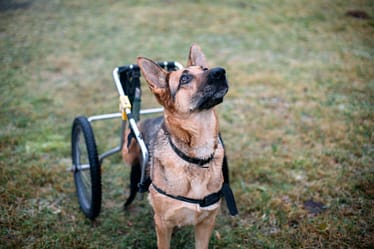
🐾 What Is FCE in Dogs?
An FCE stroke in dogs is a sudden spinal cord injury caused by a blockage in the blood supply to the spinal cord. Although it can be alarming, it’s typically not painful after the initial onset, and many dogs – and cats – go on to make a good recovery, just like our very own Flynn.
🐕 Treatment & Rehab
When it comes to spinal stroke in dogs, treatment includes rehabilitation therapy. Exercises, assisted walking, and hydrotherapy can help build strength, improve mobility, and support your pet’s FCE recovery journey.
⚡ Signs & Symptoms
If you’re wondering what is FCE in dogs symptoms, they typically appear suddenly and may include weakness, dragging of the legs, loss of coordination, and difficulty walking. In many cases, the signs affect one side of the body more than the other.
❤️ Caring for Pet at Home
Caring for your pet at home plays a vital role in FCE recovery in dogs. Daily routines, mobility support, bedding, and rehabilitation all help create an environment for healing. Remember to care for yourself too.

🎙️ Get excited for FCEtalk ~ the dogcast
Flynn (Chief FCE Officer) and Clover (Emotional Support Dog)
share real-life stories and light-hearted moments
Register your interest today and don’t miss a single episode.
Comprehensive Resources for FCE
Join the free FCEtalk Community to access trusted guidance, practical resources, inspiring stories and compassionate support from people who truly understand the FCE stroke in dogs journey. Because no family should travel the journey alone.


Stories of Turmoil and Triumph

Click to read heartwarming stories
💔 🐾 AND SOME HEARTBREAKING ONES 🐾 💔
Real Voices, Real Resources
Safety & Comfort: Non-Slip Floor Runners

Hydrotherapy Jackets for Dogs

How Vets Diagnose FCE (Fibrocartilaginous Embolism)

Dog Crates and Playpens for FCE recovery

Bladder Management After FCE

Best Non-Slip Paw Shoes in 2026
